
Available September 15, 2026
A richly illustrated resource on the natural history of freshwater streams, small rivers, and their associated habitats.
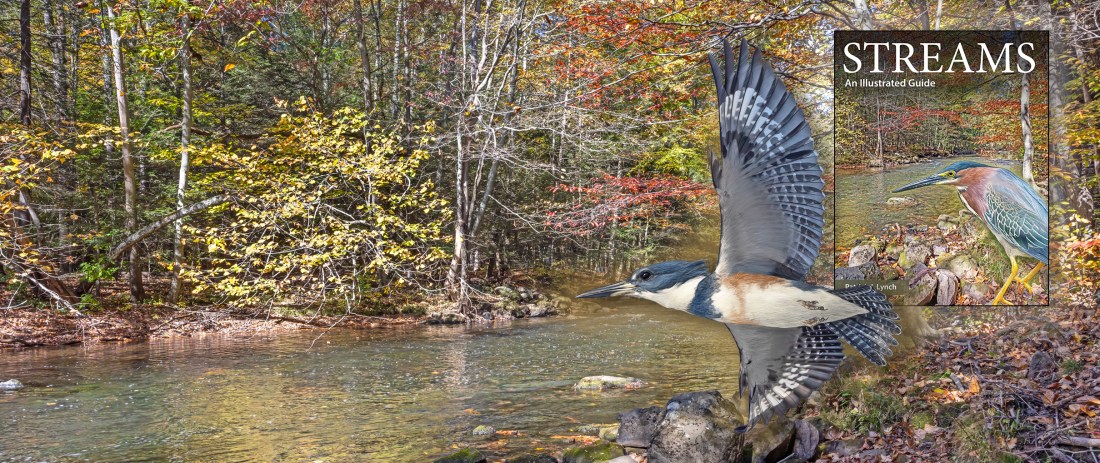
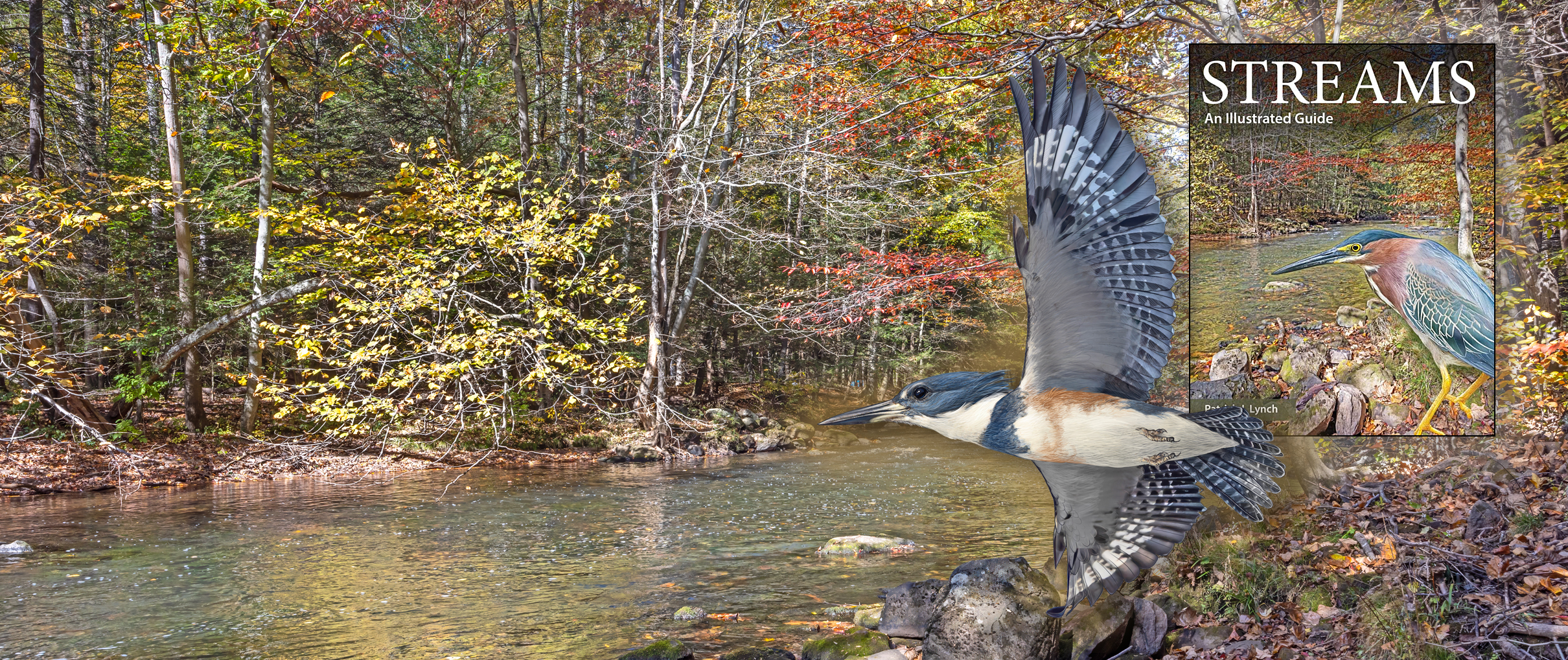
The second entry in Patrick J. Lynch’s Illustrated Guide series invites nature lovers into the world of streams in the eastern United States and southeastern Canada. This authoritative guide, packed with original photos, drawings, and graphics, inventories many of the most common plants and animals thriving in and along these overlooked waterways—the Blue Dasher Dragonfly, the Red Shouldered Hawk, the Greenside Darter, and the Cardinal Flower, just for starters. Lynch explains the geology and evolution of streams, including the unusual southeastern “blackwater” rivers and karst streams of Florida. He outlines why understanding streams, rivers, and riverine systems is crucial to science and conservation, particularly as climate change continues to shape our environment, and describes efforts to protect and restore these surprisingly resilient landscapes. This concise, indispensable guide is a perfect companion for hikers, anglers, birders, and boaters, as well as students and educators.
Patrick J. Lynch is an award winning author, photographer, and artist. He is the author of numerous books, including Ponds: An Illustrated Guide and A Field Guide to the Connecticut River. He lives in North Haven, CT.
Praise for STREAMS:
“Patrick Lynch’s wondrous book, Streams: An Illustrated Guide, will open your eyes to the fascinating dynamics of flowing waters and all the life that is nurtured by and in them: fish, eels, insects, frogs, plants, and much more!”
—James Prosek, artist and author of Eels
“Patrick Lynch raises the bar for what a field guide can be. Despite the compact size, Streams is also a beautifully written primer on stream science—a remarkable achievement.”
—David Skelly, Frank R. Oastler Professor of Ecology at Yale University and director of the Yale Peabody Museum of Natural History
“Pat has always been a master of visual communication, packing authoritative information into a book that still slips easily into a coat pocket. The graphics in this volume are not just beautiful – they’re incredibly effective at breaking down intricate processes and relationships.”
—Twan Leenders, director of Conservation at the Chautauqua Watershed Conservancy
 Patrick Lynch