I’ve authored or co-authored 13 book projects books with Yale University Press, including the four editions of the Web Style Guide. I’ve just completed my latest book, Streams: An Illustrated Guide, to be released by Yale University Press in mid-September 2026.
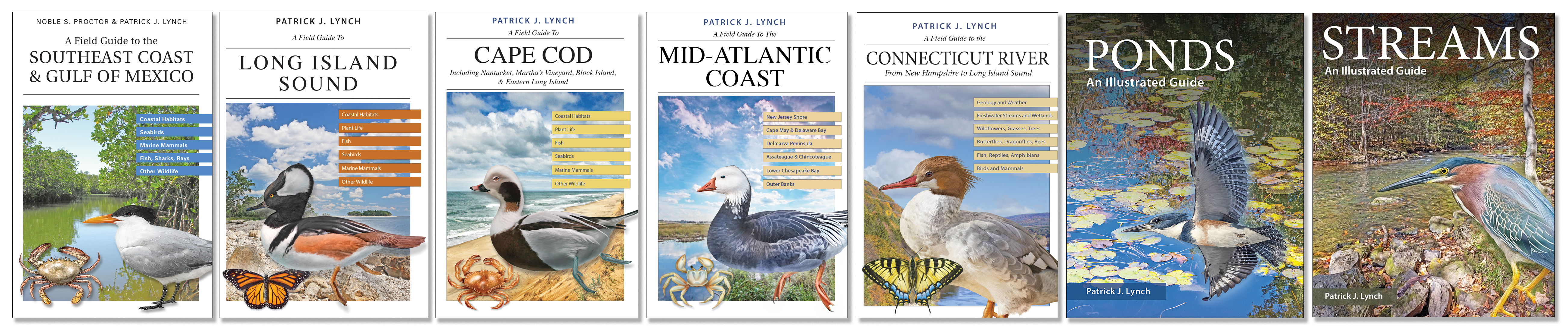
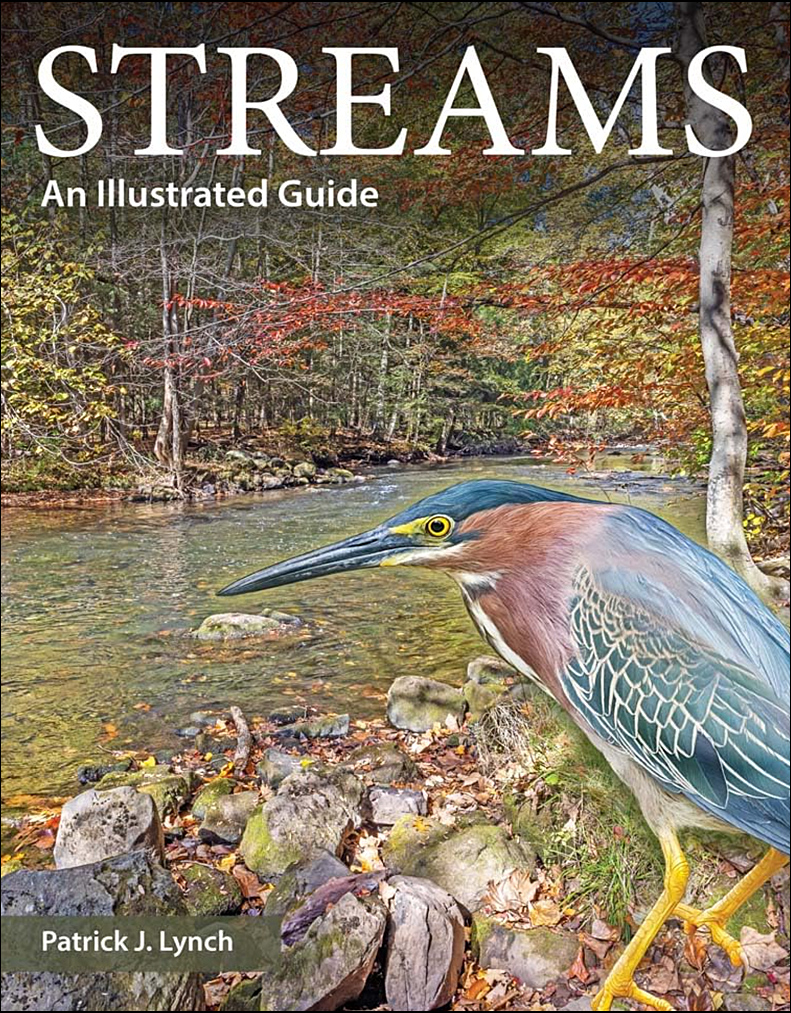
A richly illustrated resource on the natural history of freshwater streams, small rivers, and their associated habitats
This authoritative guide to streams and smaller rivers is packed with original photos, drawings, and graphics. It contains inventories of many of the most common plants and animals thriving in and along these overlooked waterways—the Blue Dasher Dragonfly, the Red-Shouldered Hawk, the Greenside Darter, and the Cardinal Flower, just for starters. Lynch explains the geology and evolution of streams, including coastline tidal streams and the unusual southeastern “blackwater” rivers and karst streams of Florida. He outlines why understanding streams, rivers, and riverine systems is crucial to science and conservation, particularly as climate change continues to shape our environment. This concise, indispensable guide is a perfect companion for hikers, anglers, birders, and boaters, as well as students and educators.
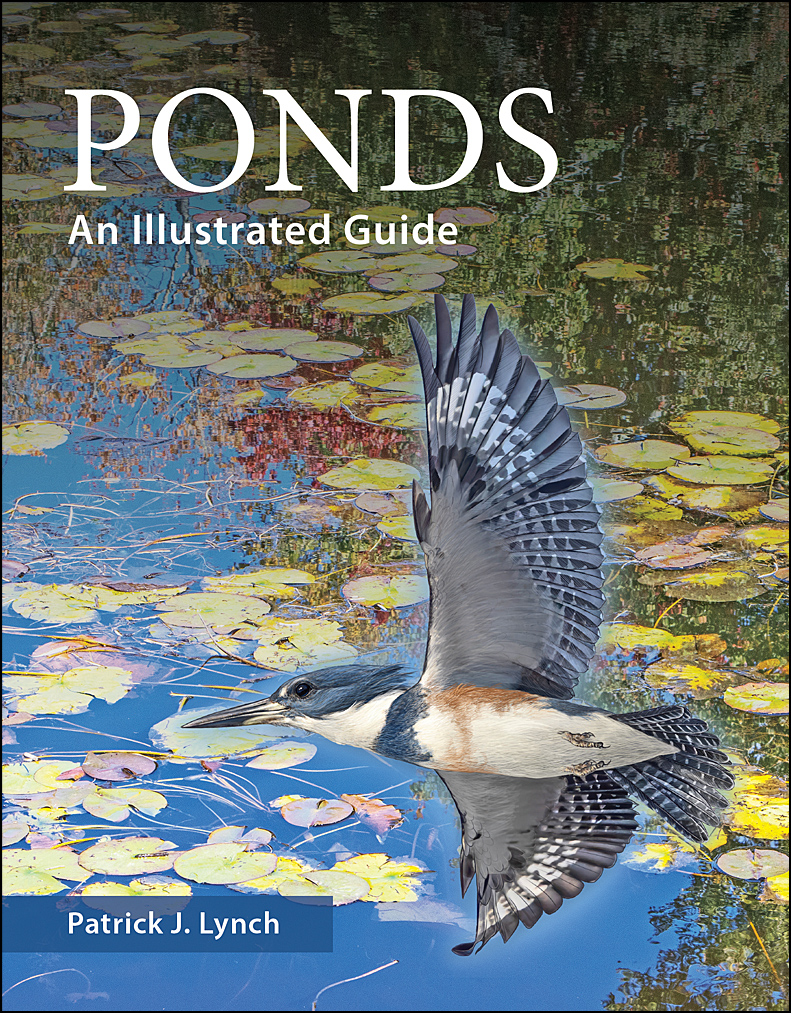
A comprehensive introduction to the natural history of ponds, small lakes, and other quiet or still bodies of water in the eastern United States
This richly illustrated guide introduces readers to the biology and structure of freshwater ponds, smaller lakes, and associated wetlands in the eastern United States, and to the natural life that thrives in and around them—the flora, insects, mammals, amphibians, reptiles, and fish.
Through photographs, illustrations, and detailed diagrams, Patrick J. Lynch brings ponds to life in their great variety, from freshwater marshes and swamps to vernal pools, bogs and pocosins, and beyond. He explains the natural and environmental history of these special regions: Why and how have they evolved? Why are they important to the larger ecological picture? And how are human activity and climate change defining the present and changing the future of these precious ecosystems? Lynch’s guide is concise yet comprehensive, an indispensable tool for natural history buffs, birders, anglers, boaters, canoers, hikers, and environmental educators.
The Connecticut River, New England’s longest and most historic river, originates in northern New Hampshire and wends more than four hundred miles to Long Island Sound. It forms the border between Vermont and New Hampshire and widens significantly as it makes its way through Massachusetts and Connecticut. The Connecticut River Valley is one of the most popular tourist destinations in the eastern United States, and more than two million people live in the watershed.
Renowned naturalist Patrick J. Lynch offers readers an expansive guide to this majestic region with more than 750 original maps, photographs, and illustrations. Organized around environments rather than particular locations, the book includes geological overviews and descriptions of common plants and animals. Lynch also explains the landscape’s environmental history as well as the effects of centuries of human interventions and the growing fallout from climate change. This indispensable guide not only brings the Connecticut River’s ecology and pivotal role in American history to life but instills a deeper appreciation for the river’s diverse and abundant beauty.
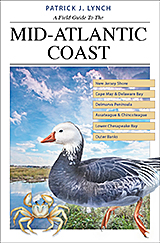
A comprehensive guide to the geology, coastal ecology, and common plants and animals of the U.S. Atlantic Coast from Long Island’s south shore to Cape Hatteras, North Carolina. Includes the DelMarVa peninsula and the Outer Banks. The Outer Banks of North Carolina and the beaches of the Mid‑Atlantic Coast are among the most popular tourist destinations in the United States. This book is a richly illustrated field guide that surveys the geology, environmental history, natural history, and human history of a region that spans the eastern seaboard, from Sandy Hook in New Jersey south to Cape Hatteras on the Outer Banks of North Carolina.
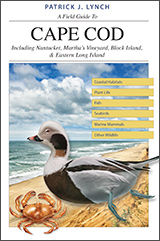
My latest book is a comprehensive field guide to the natural history of Cape Cod, Nantucket, Martha’s Vineyard, Block Island, and eastern Long Island. This guide covers all the major habitats, plants and animals, and human ecological history of the region known as New England’s “Outer Lands.”
A comprehensive field guide to the natural history of Long Island Sound. This guide covers all the major habitats, plants and animals, and human ecological history of the Sound.
A classic reference book on user interface design and graphic design for web sites, updated to reflect a rapidly changing market
Consistently praised as the best volume on classic elements of web site design, Web Style Guide has sold many thousands of copies and has been published around the world. This new revised edition confirms Web Style Guide as the go-to authority in a rapidly changing market. As web designers move from building sites from scratch to using content management and aggregation tools, the book’s focus shifts away from code samples and toward best practices, especially those involving mobile experience, social media, and accessibility. An ideal reference for web site designers in corporations, government, nonprofit organizations, and academic institutions, the book explains established design principles and covers all aspects of web design—from planning to production to maintenance. The guide also shows how these principles apply in web design projects whose primary concerns are information design, interface design, and efficient search and navigation.
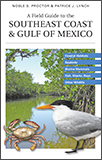
This book, with its unique focus on the entire marine coastal environment, is the most comprehensive and up-to-date field guide available on the southeastern Atlantic Coast and Gulf Coast.
Web Style Guide, 3rd edition. Patrick J. Lynch and Sarah Horton. Yale University Press, 2008.
The third edition of the Web Style Guide was a complete re-write that featured the rise of Cascading Style Sheets (CSS) and the more sophisticated page structures and typography enabled by CSS and other web standards.
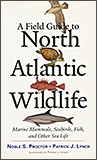
Designed in a handy pocket size, the book provides concise information for identifying the invertebrates, mammals, birds, turtles, fish, sharks and rays, and even floating seaweeds and common algae that live along the Atlantic coast and offshore from North Carolina to the Canadian provinces of Nova Scotia, New Brunswick, and Prince Edward Island.
Web Style Guide, 2nd edition Patrick J. Lynch and Sarah Horton. Yale University Press, 2001.
The second edition of the Web Style Guide featured completely revised content and full-color printing.
Web Style Guide, 1st edition Patrick J. Lynch and Sarah Horton. Yale University Press, 1999.
This first edition of the Web Style Guide sold over 200,000 copies, and has been translated into 12 international editions.
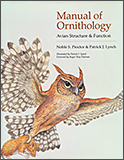
This award-winning book—a visual guide to the structure and anatomy of birds—is one of the most heavily illustrated ornithology references ever written, and is widely used in university ornithology courses. A concise atlas of anatomy, it contains more than 200 specially prepared accurate and clear drawings that include material never illustrated before.

 Patrick Lynch